
The Road Feels Different After Sunset
Night changes the pace of the highway in ways we notice right away. Headlights narrow what we can see, shadows hide small details, and the shoulder can look very different from one mile to the next. That shift matters during I-94 towing because every stop asks us to read the road with more care. We pay closer attention to light, spacing, and traffic flow from the moment we arrive.
The road also sounds different at night. Traffic may thin out, but the vehicles that remain often move faster and leave less room for error. A stalled car can sit in near darkness until the last second, especially on a curve or near an entrance ramp. We stay alert to those conditions because the job changes when the sun goes down.
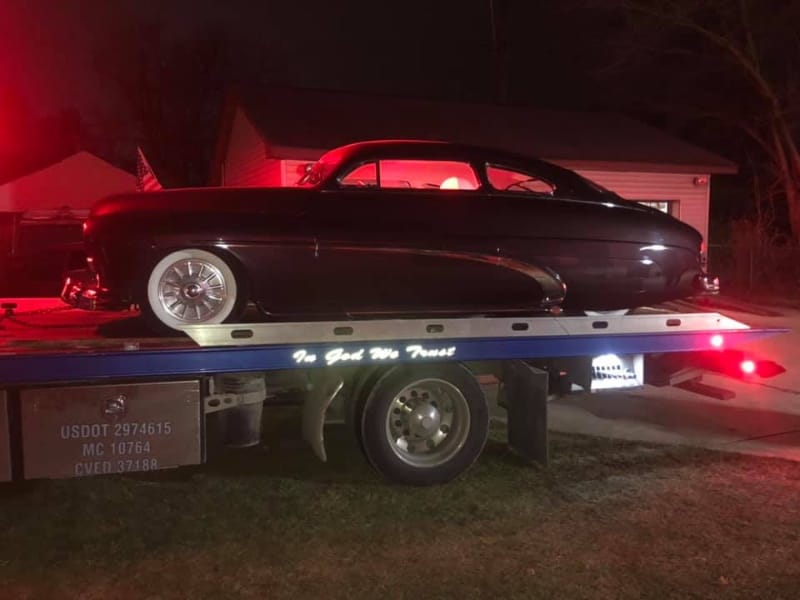
Visibility Shrinks and Details Matter More
At night, our view comes in pieces. Headlights cover one area, work lights cover another, and the rest of the scene can disappear into the background. That means we take our time sizing up the shoulder, the lane position, and the condition of the vehicle before we start loading. We want to know what sits around us before we make the first move.
Reflective gear, warning lights, and truck placement all matter more after dark. We use them to create a work zone that drivers can spot from farther away. Even then, we keep watching traffic because bright lights do not guarantee good decisions from passing drivers. The scene stays active until the vehicle is secured and we are back on the road.
Driver Behavior Changes After Dark
Night driving brings a different kind of unpredictability. Some drivers stay focused and cautious, while others grow tired, impatient, or distracted. We see more sudden lane changes, late braking, and drivers who do not notice the shoulder until they are almost on top of it. That keeps us on our toes throughout the call.
We also notice how empty stretches can create a false sense of comfort. A road may look calm for a minute, then fill up without warning as cars crest a hill or come off an exit. For that reason, we keep our process steady and simple. Clear communication helps us stay organized when conditions shift fast.
A Consistent Routine Helps Us Stay Focused
We rely on routine because routine keeps the job clear. At night, that structure matters even more. Each step gives us a way to manage the scene without adding confusion.
- We position the truck where drivers can spot it early
- We check the shoulder and nearby lanes before stepping out
- We communicate each step while loading the vehicle
- We secure the vehicle and scan traffic again before leaving
That approach helps us stay calm, especially during longer calls on dark stretches of highway.
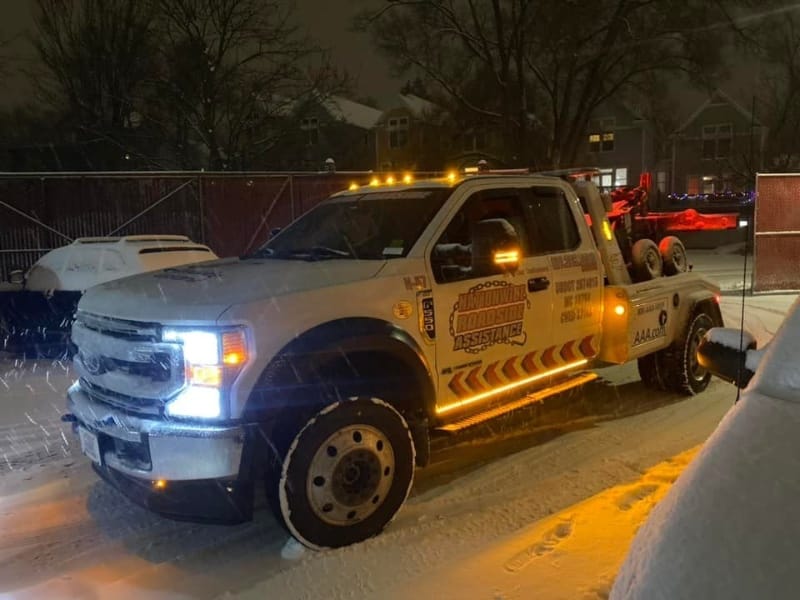
Nationwide Towing Handles I-94 Towing After Dark
At Nationwide Towing, we take nighttime work seriously because drivers count on us during some of the hardest parts of the day. Late calls require patience, sound judgment, and a calm attitude, and we bring those qualities to every job. During I-94 towing, we stay thoughtful from the moment we arrive, paying close attention to the vehicle, the roadside, and the flow of traffic around us. We do not rush the process, because careful work matters more after dark.
Our I-94 towing team takes pride in being dependable, steady, and prepared when the road feels uncertain. People call Nationwide Towing for I-94 towing because they want a company that treats the job with respect and stays focused from start to finish. We show that through clear communication, consistent work, and a serious approach to overnight service. That mindset shapes how we handle I-94 towing, and it is why drivers trust Nationwide Towing for I-94 towing when the hour is late and the situation feels stressful.
FAQ
Why do roadside services operate throughout the night?
Vehicle trouble does not follow a schedule. Cars break down at every hour, and drivers still need help reaching home, work, or a repair shop. Around the clock roadside service ensures someone can respond quickly, even during late hours when fewer businesses remain open.
What should drivers do first if their vehicle stops working at night?
Move the vehicle as far off the road as possible and turn on hazard lights. Staying inside the car often provides the safest place to wait, especially on busy roads. Calling a professional roadside service helps get trained assistance to the location without adding risk.
Why is roadside work more challenging after dark?
Low visibility changes how workers evaluate the road and the surrounding area. Headlights and work lights illuminate only certain parts of the scene, so crews must stay alert to traffic and hidden hazards. Darkness also affects how approaching drivers react to activity on the shoulder.
How do towing crews stay organized during late night calls?
Professional crews rely on consistent routines and communication. Each step of the job follows a clear process that keeps everyone aware of their surroundings. That structure helps crews handle vehicles carefully while monitoring nearby traffic.
Can a roadside service help if the vehicle is still drivable but unsafe to continue?
Yes. Many drivers call for assistance when a vehicle shows warning signs such as overheating, strange noises, or tire damage. Moving the vehicle with a tow truck can prevent further damage and help avoid being stranded later.
What information helps a towing company respond faster?
Clear details make a big difference. Drivers should provide the vehicle type, the condition of the vehicle, and any nearby landmarks or mile markers. Accurate information helps the service team prepare for the job and reach the driver without delays.