
Curves and Corrections
We respond to rollovers that start with one small change in speed or steering, then snowball. I-94 semi towing calls often trace back to the same handful of causes: high center of gravity, sharp curves, and loads that do not behave the way drivers expect. A tractor trailer can feel planted until lateral force pushes the weight outward and the trailer starts to lean.
We watch that lean turn into a point of no return when the tires lose their grip or the load shifts at the wrong moment. The road does not need to look dramatic for this to happen. A tight on ramp, a quick lane move, or a shoulder drop can create the exact angle that tips the whole combination.
Curves and ramps punish extra speed
We see ramps tighten fast near interchanges. If a driver enters too hot and corrects mid turn, the added steering force makes the trailer lean harder. Slowing down before the curve gives the trailer time to track smoothly without snapping into the turn.
Load shift changes the center of gravity
We handle recoveries where cargo moved just enough to change everything. Pallets can slide, coils can rock, and liquid can surge, pushing weight outward in a turn. Even secure freight can creep if it rides high or against slick walls, and that small shift can break traction and start a tip.
Overcorrection creates a whip
It often starts with a tire dropping off the shoulder. A sharp yank back into the lane can trigger a swing, then a harder correction, and the trailer begins to oscillate. Once sway builds, outside tires can lift fast, so smooth steering and patience keep the motion from escalating.
Equipment condition affects stability
Tires, suspension, and brakes shape how a rig behaves in a curve. Low tire pressure increases flex and sway, and worn shocks allow more body roll, which cuts grip when the trailer starts to lean. Brake balance matters too, since hard braking in a turn shifts weight forward and can unload trailer axles, so finishing braking before the curve keeps more traction and more control.
Practical habits that cut rollover risk
These habits show up in the clean trips we hear about from drivers:
- Slow down before ramps and hold a steady line through the curve
- Leave extra space so traffic does not force quick steering
- Keep both hands ready and steer with small inputs
- Check load securement and watch for top heavy freight
- Inspect tires and suspension during pre trip checks
Drivers who repeat these steps reduce surprises. They also create more time to react when the road throws something unexpected into the lane.
Weather and road design change the rules
Rain, ice, and slush lower traction so a truck reaches its tipping point at a lower speed. Crosswinds push high sided trailers on open stretches, especially when the trailer runs light. Work zones add bumps, narrow lanes, and sudden surface changes that can start a lean.
Drivers who treat these conditions like a different road do better. They slow down earlier, space out more, and avoid sharp corrections. That mindset prevents the chain reaction that ends with a trailer on its side.
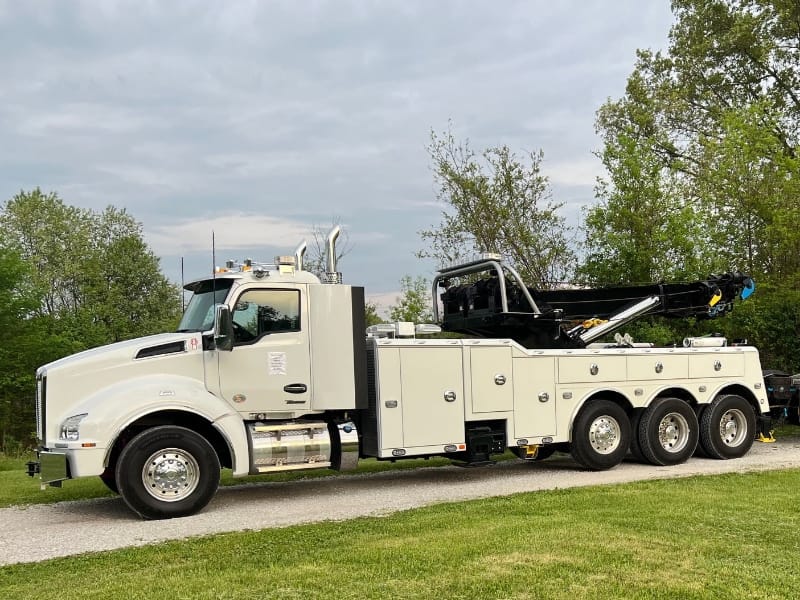
When Gravity Wins: Nationwide Towing Delivers I-94 Semi Towing Support After a Rollover
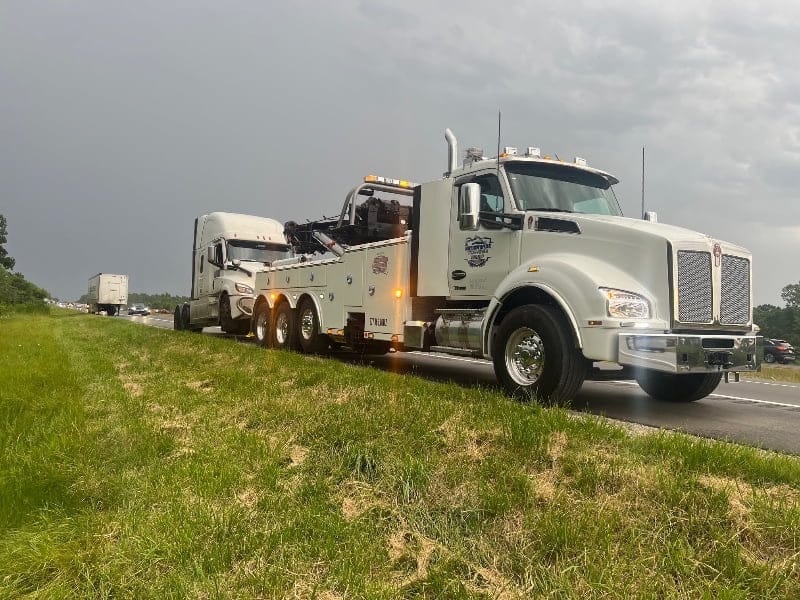
We run Nationwide Towing with a focus on commercial recovery along I-94 semi towing corridors, and we show up ready to manage the hard parts in a clear, steady way. Our I-94 semi towing team handles heavy recoveries, winch outs, load shifts, and tows for disabled tractors and trailers. Our I-94 semi towing team coordinates with the scene so the next steps stay organized and the roadway can reopen sooner.
We also help fleets and drivers plan for the realities of I-94 semi towing needs, from breakdown response to post incident recovery. A rollover creates stress, paperwork, and downtime, so we keep our process straightforward and consistent. If you operate on this route, keep our number handy for I-94 semi towing, and reach out when you need a team that takes commercial calls seriously.
FAQ
What is the most common cause of a tractor trailer rollover?
Most rollovers start with too much speed for the curve or ramp. The sideways force builds quickly, and the trailer can tip once its weight shifts beyond the tire footprint.
How can a driver tell if a trailer is close to tipping?
A rising lean, a feeling of the trailer pushing sideways, or a sudden need to correct the steering are early warnings. If the trailer starts to sway, the safest move is to ease off smoothly and avoid sharp steering inputs.
Does load type change rollover risk?
Yes. High loads raise the center of gravity, and loose freight can shift weight outward in a turn. Liquid loads can surge, which adds an extra shove at the worst possible time.
What should a driver do if the trailer begins to sway?
Hold the wheel steady, reduce speed gradually, and avoid quick corrections. Sudden steering can turn mild sway into a whip that lifts tires.
Which maintenance checks reduce rollover risk the most?
Tire pressure, suspension condition, and brake performance matter most. Uneven tire pressure and worn shocks increase sway, and braking problems can destabilize the trailer during speed changes.
What should happen first after a rollover to protect everyone on scene?
Secure the area, check for injuries, and alert the proper authorities. Keep a safe distance from the vehicle, watch for fuel or cargo hazards, and avoid moving anything until professionals confirm it is safe.