Michigan’s Winter Roads: A Challenge for Everyone
We’ve driven through it all: ice storms that freeze the world solid, whiteouts that erase the horizon, and wind gusts that make steering feel like a rodeo. If you’ve traveled I-94 or US‑23 during winter, you know these roads are more than just highways: they morphe into endurance tests during winter. The stretch through Dexter can turn from clear to chaos in minutes. That’s why our Dexter towing service plays a critical role in keeping things moving when the weather says otherwise.
Blizzards don’t send an RSVP. They roll in fast and change everything. The biggest problem isn’t always the snow itself, it’s what you can’t see. Black ice blends in with the pavement, and drivers often don’t realize they’ve hit it until it’s too late. The accident has happened. Add in limited visibility and heavy traffic, and the risk of spin-outs, pileups, and vehicles in the ditch skyrockets.
What Happens When the Roads Turn Treacherous
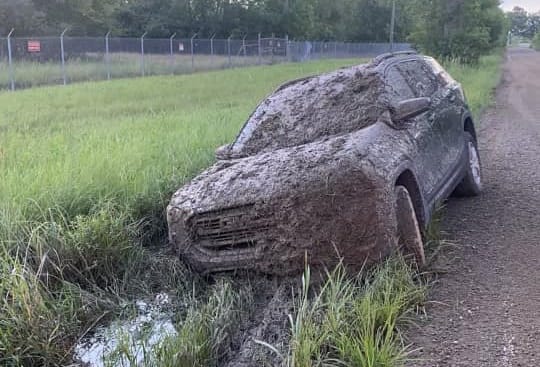
When conditions get harsh, towing becomes a lifeline for many Dexter, Ann Arbor and Ypsilanti motorists. We know what it takes to recover a car off a frozen embankment or pull a semi that’s jackknifed on an icy slope. Our work doesn’t stop because the snow is deep or the temperature dropped below zero. If anything, that’s when we’re needed the most.
Black Ice: The Invisible Enemy
Black ice might be the trickiest hazard we deal with on winter roads. It forms quickly and clings to bridges, overpasses, and shaded curves… just the spots where control is critical. When someone hits black ice on I-94 or US‑23, we’re often the first ones they call. And the recovery isn’t always simple:
- Vehicles can slide far off the shoulder and get wedged into frozen ditches.
- Roadside conditions can be too slippery for a standard tow. In those cases we use chains, winches, and trucks with extra traction.
- Sometimes we even need traffic control, especially when visibility is poor.
Whiteouts and Zero Visibility
Whiteouts can hit without warning, especially near open fields and river crossings. We’ve responded to situations where drivers couldn’t even see their own hood. In these conditions, we plan every move to avoid adding to the chaos.
How Dexter Towing Works in the Worst Conditions
Towing in winter isn’t just about raw horsepower. It’s about strategy, experience, and choosing the right tool for the job. Here’s how we handle towing when the weather hits hardest:
- Assess the scene: We evaluate the terrain, ice buildup, and risk to traffic before anything else.
- Secure the vehicle: Using wheel lifts or flatbeds, we stabilize the vehicle before recovery begins.
- Winch carefully: Icy ground means less grip, so we often use ground anchors or secondary vehicles for support.
- Clear fast: Especially on interstates like I-94, time matters. We work quickly but never rush.
Tips for Staying Safe Before We Arrive
While we’ll always be ready to help, we also want drivers to stay safe until we get there. Here’s what we recommend if you’re stuck in a snowstorm:
- Stay in the vehicle: Unless you’re in immediate danger, it’s safer inside.
- Call and give accurate details: Mile markers, exit signs, and landmarks help us find you faster.
- Keep hazard lights on: This helps both us and other drivers spot you in low visibility.
Nationwide Towing: Dexter Towing Services That Know Winter
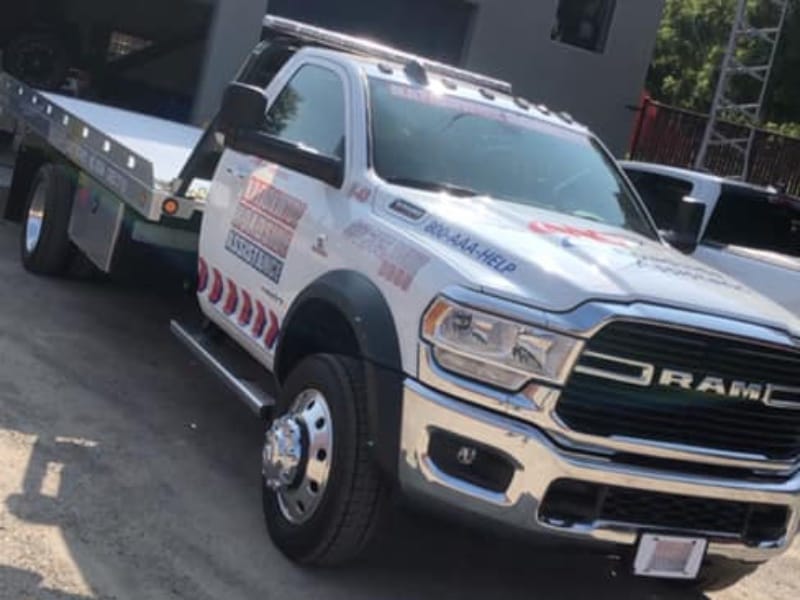
At Nationwide Towing, we’ve spent years working these icy Michigan highways. Dexter towing in the winter isn’t just a job, but it’s what we do to keep our community moving. When the snow’s thick, the wind’s howling, and the roads disappear under a sheet of ice, we don’t slow down. Our Dexter towing team shows up with the right equipment, the right mindset, and the experience to recover safely and quickly.
We’re local. Our Dexter towing team knows where black ice hides and where snow piles up. That makes a difference when minutes matter. Our Dexter towing services are ready for whatever winter throws down. Whether you’re stuck off-road or stranded on the shoulder of I-94, give us a call. We’ll be there.
FAQ
How do I know if my car is stuck on black ice?
If your steering feels loose or unresponsive and your vehicle slides without input, you may be on black ice. Look for a glossy, wet-looking surface with no visible snow or texture.
Can tow trucks operate in extreme cold?
Yes, modern tow trucks are built to start and run in subzero temperatures. Crews also use engine warmers and winter-grade fuels to stay ready around the clock.
What should I do while waiting for a tow in a snowstorm?
Stay inside your vehicle with the engine running periodically for warmth. Make sure the exhaust pipe is clear of snow to prevent carbon monoxide buildup.
Is it harder to tow larger vehicles in winter?
Yes. Heavier vehicles require more traction and often need specialized winching or reinforced equipment when snow or ice reduces stability.
Do tow trucks carry snow chains or traction aids?
Many do. Chains, sand, and traction boards help tow trucks reach vehicles stuck in areas with deep snow or slick ice.
Why do some cars get pulled into ditches during winter?
Low traction, overcorrecting steering, or braking too hard can cause a vehicle to slide off the road. Soft shoulders and ice make it easy to lose control.