Heavy Loads, Tight Turns, and Everything in Between
The load is oversized, traffic is building very fast. The whole thing can easily turn into a two-hour delay before sunrise. That kind of situation is exactly why I-94 heavy transport planning is essential when moving anything heavy and big. A lot of people might rightly so assume heavy transport starts once the trailer starts moving. Honestly, most of the real work happens before the vehicle even leaves the tow truck yard. Route checks, axle weights, bridge clearances, weather, permits, timing. Miss one detail and the whole day can slide sideways pretty quick.
Route Planning Gets Complicated
We spend a good chunk of time looking at roads drivers usually ignore in regular traffic. A car can squeeze through older industrial streets without much thought. A 13-foot-wide load pulling through construction near Jackson or Ann Arbor is a completely different deal.
Some of the toughest calls we handle involve routes that technically work on paper but fall apart in real traffic. One lane closure on I-94 during rush hour can back up transport trucks for miles. We’ve had drivers sit nearly 90 minutes waiting for state police escorts to reopen a ramp after an accident shut things down.
Permits Can Slow Everything Down
Permits are one of those things people underestimate until they’re missing one. Different counties and states have their own restrictions, and some permits only allow movement during certain hours. Michigan frost laws alone can throw off schedules during late winter.
We usually tell operators to leave extra room in the schedule because delays happen constantly. Utility crews pop up. Construction changes overnight. Sometimes a route gets approved and then suddenly becomes unusable after road work starts two days later.
Timing Matters More Than Speed
Most heavy loads move slower than regular traffic anyway, so trying to rush the process rarely works. What helps more is picking the right time to move. Early mornings tend to work better around metro Detroit before commuter traffic fills I-94 and surrounding highways.
Rain changes things too. Strong crosswinds near open stretches outside Kalamazoo or Battle Creek can make certain loads unstable fast. We’ve seen operators stop entirely for an hour just waiting for gusts to calm down enough to continue safely.
Here are a few things we always check before a heavy move:
- Bridge heights and posted weight limits
- Construction zones along the route
- Fuel stop accessibility for large trailers
- Weather conditions along the full trip
- Escort vehicle timing and staging points
- Tire condition on both truck and trailer
Skipping even one of those can cost hours.
Communication Keeps Jobs Moving
Drivers, dispatchers, escorts, tow operators, and customers all need updates during a transport. Silence usually creates bigger problems than bad news. If a delay hits the I-94 heavy transport schedule, people can adjust. If nobody communicates, unloading crews end up waiting around while docks sit blocked.
We’ve also noticed that GPS apps cause plenty of problems during I-94 heavy transport jobs. Passenger vehicle routing does not account for low clearances, restricted turns, or oversize permits. Last summer we helped recover a piece of construction equipment after a driver followed a regular GPS route straight toward a railroad underpass with less than 12 feet of clearance.
Nationwide Towing: Your Reliable Partner for I-94 Heavy Transport Jobs
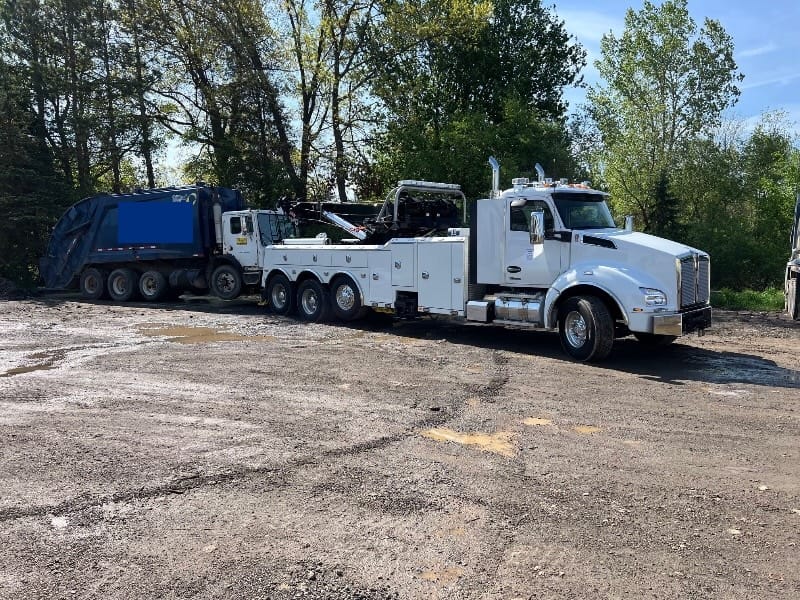
At Nationwide Towing, we spend a lot of time helping operators sort through the moving parts that come with I-94 heavy transport work. Some calls involve load shifts after hard braking. Others turn into recovery jobs after mechanical failures or missed routes near busy interchange areas.
A lot of our I-94 heavy transport work happens during rough weather or overnight hours when traffic settles down enough to move larger equipment. Our I-94 heavy transport team sees plenty of transport traffic moving between Detroit, Kalamazoo, and western Michigan warehouse corridors, especially during construction season. Around I-94, one missed turn or permit issue can turn into a long morning pretty quickly.
FAQs
What happens if an oversized load misses its approved route?
In most cases, the driver has to stop until dispatch or permit officials approve a new path. Some roads restrict oversized equipment completely. A wrong turn can add hours to a trip.
How far ahead should heavy transport jobs be planned?
Most operators start planning several days ahead, especially for larger loads. Permits, escorts, and weather checks all take time. Last-minute jobs usually run into delays.
Do oversized loads travel during bad weather?
Sometimes they do, but conditions matter. Strong wind, ice, and heavy rain can make certain loads unstable. Drivers may park and wait until conditions improve.
Can regular GPS apps be used for large equipment moves?
Regular navigation apps cause problems more often than people think. They usually ignore bridge heights, weight restrictions, and permit routes. Drivers often use commercial routing systems instead.
Why do escort vehicles matter during transport jobs?
Escort drivers help manage traffic, watch clearance issues, and warn about road hazards ahead. They also help drivers handle lane changes and tight turns. Some states require escorts based on width or height.
How long does it take to recover a broken-down heavy trailer?
It depends on the load and where the breakdown happens. Some recoveries take under an hour. Others stretch much longer if cargo shifts or roads need to close first.